Everything You Need to Know About Puff Printing: The Do's and Don'ts
Puff printing has a way of making simple designs feel premium. The raised texture catches light differently, invites people to reach out and touch it, and gives a logo or piece of lettering a physical presence that flat ink just can’t match.
But it’s also one of the more unforgiving techniques in screen printing. The margin between a clean, even puff and a cracked, lopsided mess is thinner than most people expect, and it’s usually the fabric or the curing process that makes the difference, not the design itself.
Here’s what you actually need to know before you start.
What Is Puff Printing?
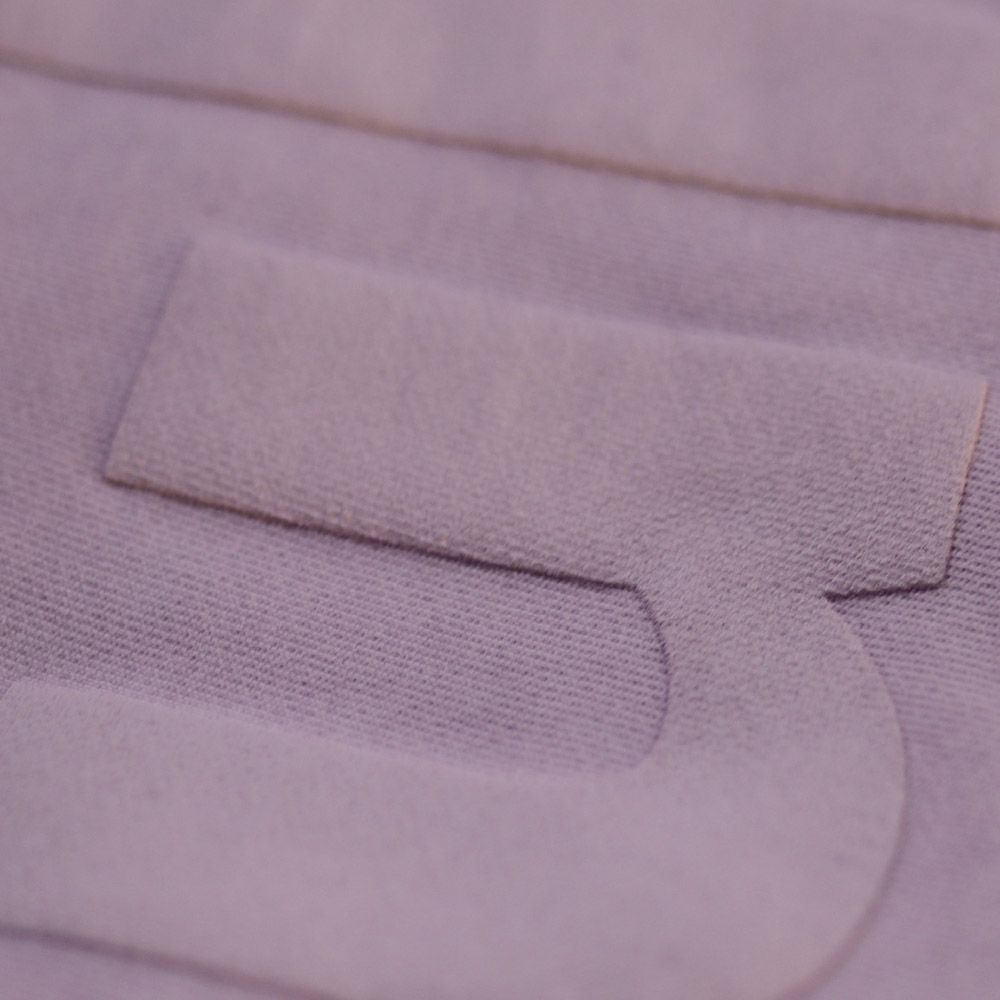
Puff printing is a screen-printing technique where a heat-reactive additive is mixed directly into the ink before it’s applied to the garment. When the shirt passes through the heat tunnel during curing, that additive activates and the ink expands, rising off the fabric surface and creating a raised, three-dimensional texture.
The effect is subtle enough to feel intentional rather than gimmicky. Run your hand over a well-executed puff print and it feels like the design has weight to it. That tactile quality is why the technique works so well for logos, block lettering, and minimalist graphics where the goal is impact without complexity.
It performs best on heavier fabrics, cotton tees, sweatshirts, hoodies, where there’s enough structure in the material to support the raised ink and hold it cleanly over time.
The Do’s: How to Get the Best Puff Printing Results
Choose the right fabric
Not all blanks behave the same way under heat. Fabrics with too much stretch or too little weight tend to wrinkle or shift during the curing process, which throws off the evenness of the puff. Mid-to-heavyweight cotton, ideally 6.5oz or above, gives the ink a stable surface to expand against. Start there and most of your other variables become easier to manage.
Keep your design simple and bold
Puff printing rewards restraint. Large shapes, block letters, and clean lines give the ink room to expand evenly and stay defined. Thin linework and intricate details tend to blur or merge as the ink rises, so designs that look sharp at artwork stage can come out muddy on the shirt. If your artwork needs fine detail, puff may not be the right technique for that particular element.
Run a test print first
Because puff ink responds to heat, the exact behavior can vary depending on your equipment, the specific additive ratio, and the fabric you’re printing on. A test print before full production lets you dial in how much the ink expands on that particular blank so there are no surprises when the run starts. It’s a small investment of time that prevents a much larger one later.
Follow proper wash and care instructions
Puff prints hold up well when they’re looked after properly. Wash garments inside out with a mild detergent, avoid high-heat drying, and the raised texture should stay intact through consistent use. Communicate this to whoever is receiving the shirts,it’s an easy step that makes a real difference in how long the print looks good.
The Don’ts: Mistakes to Avoid with Puff Printing
Don’t print on thin or stretchy fabrics
Lightweight and elastic materials are the most common culprit behind uneven puffing, cracking, and prints that flatten out after a few washes. The fabric doesn’t have enough body to support the raised ink, so the structure breaks down. Stick to mid- or heavyweight cotton and you’ll avoid most of these issues before they start.
Don’t skip temperature control
The curing stage is where puff printing either works or doesn’t. Too much heat and the ink over-expands, losing its shape. Too little and it never rises properly, leaving you with a dull, flat result. Calibrated curing equipment isn’t optional here, it’s the difference between a consistent production run and a lot of reprints.
Don’t rush the process
Each layer of puff ink needs adequate time and consistent heat to cure properly. Cutting corners in production, whether that’s moving too fast through the tunnel or skipping quality checks between prints, leads to uneven texture and durability problems down the line. The technique rewards a methodical approach.
Which T-Shirts Work Best for Puff Printing?
Fabric weight is the single most important variable when it comes to puff print quality. Heavyweight shirts, at least 6.5oz, give the ink a stable platform to expand against. The puff rises evenly, the edges stay defined, and the result looks like it was meant to be there.
Lightweight shirts work against the technique. They’re more likely to shift or wrinkle during the curing process, which means the design loses sharpness exactly where you want it most. The finished print can look inconsistent even when everything else was done right.
It’s worth being deliberate about the blank before anything else in the process. For t-shirts that are consistently suited to puff printing, take a look at our recommended options.