Screen Printing Isn't Going Anywhere. Here's Why It Still Holds Up
Every few years, someone declares DTG is taking over. Sublimation is the future. AI is going to print your shirts. And yet, walk into any streetwear drop, music festival, or brand launch, screen printing is right there, front and center, looking as sharp as ever.
There's a reason for that. Screen printing doesn't just survive trends. It consistently produces results that other methods still struggle to match at scale. Here's why it remains the most trusted decoration technique in the apparel industry, and how the method has evolved to stay relevant for every kind of project.
The Core Reason Screen Printing Still Dominates
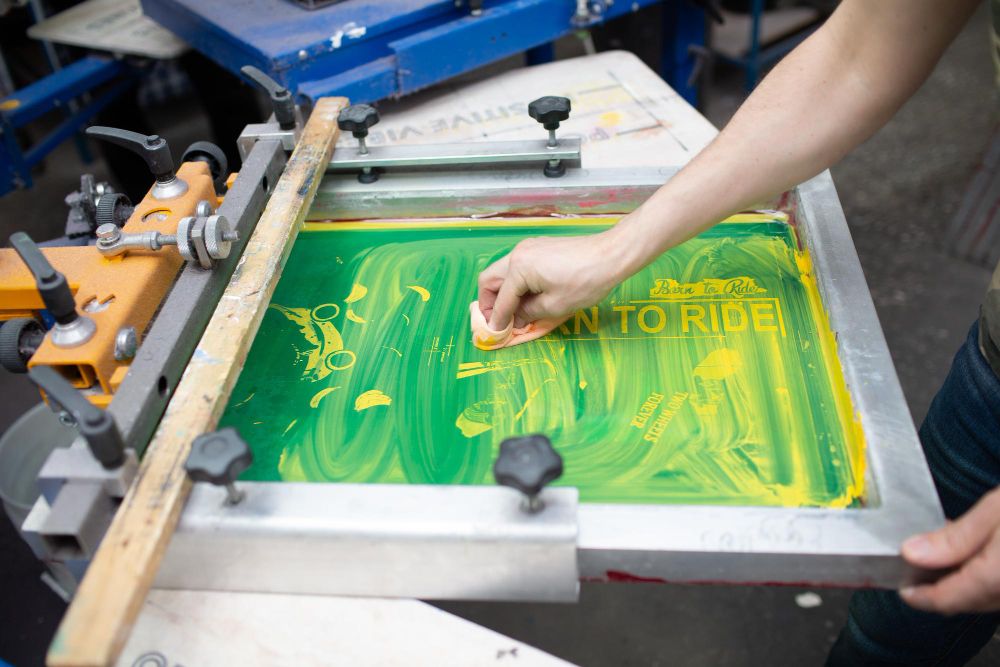
The fundamentals of screen printing haven't changed much, ink is pressed through a mesh screen onto fabric, then heat-cured to bond permanently. That simplicity is part of what makes it so dependable. The results are vibrant, the colors stay true after wash after wash, and the process scales cleanly whether you're printing 50 pieces or 5,000.
No other method delivers the same combination of color intensity, durability, and cost efficiency at volume. That's not nostalgia, it's just how the business math works out.
What Makes It Even More Flexible Today
Where screen printing has evolved is in the variety of techniques now available. It's no longer a single method, it's a family of options, each suited to a different creative goal.
- Standard screen printing is still the workhorse. Bold colors, clean edges, Pantone matching. It's the most cost-effective choice for logos, text, and graphic-heavy designs, and it's the starting point most brands build from.
- Puff screen printing adds a physical dimension to the design. A specialized ink with a foaming agent expands when heat-cured, creating a raised, tactile surface that you can feel with your fingertips. For streetwear brands or anyone who wants their logo to stand out in a way that photography barely captures, puff printing delivers something truly different.
- Jumbo screen printing pushes the size ceiling beyond what most shops can offer. At Garment Decor, that means prints up to 17 inches wide by 23 inches tall, well past the industry-standard 14 inches. Full back coverage, edge-to-edge graphics, oversized front hits. For tour merch and statement pieces, this is where screen printing really flexes.
- Digital screen printing bridges the gap between traditional technique and modern color demands. It handles full-color, photorealistic artwork with unlimited colors and no pretreatment, all the way up to 15" x 18". It's the right call for gradients, detailed illustrations, or anything that needs to look like a photograph on a garment.
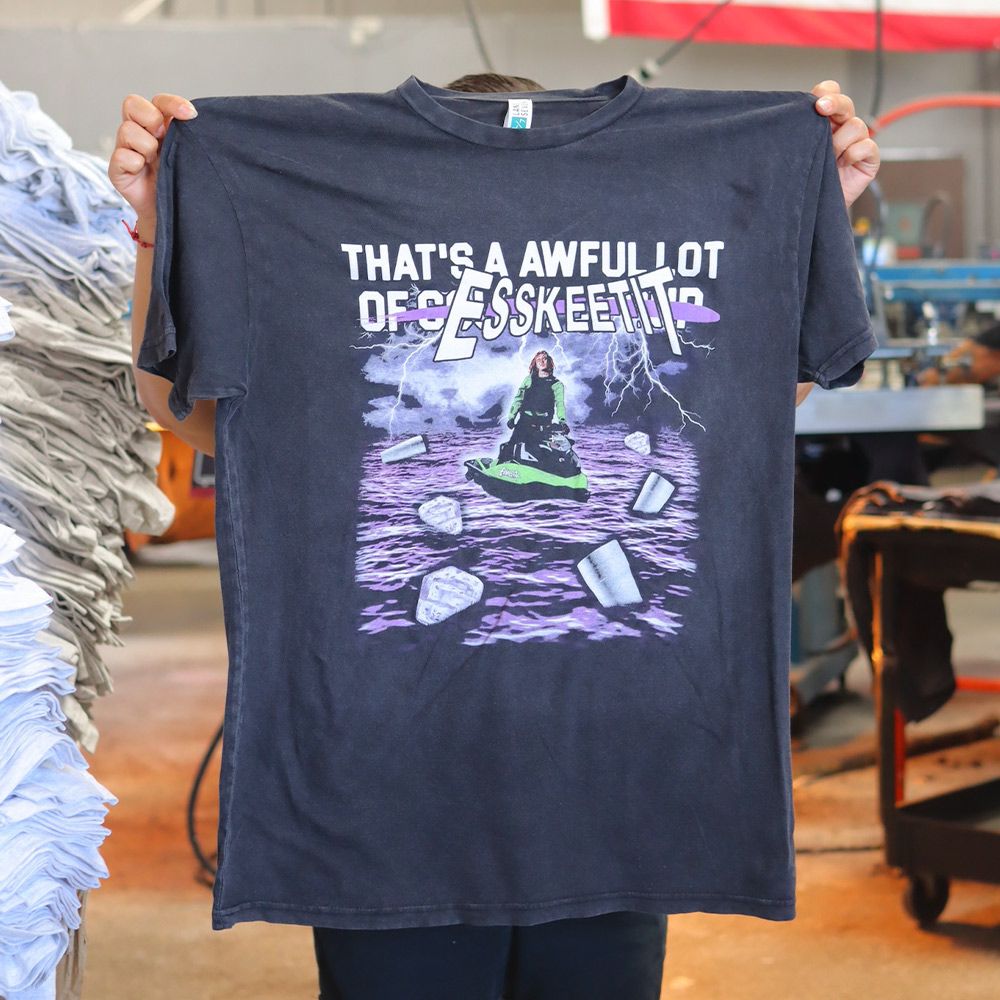
- Simulated process is the method behind those iconic vintage concert tees, the ones with complex, layered imagery that somehow looks both gritty and precise. By separating full-color artwork into carefully chosen spot colors and halftones, it reproduces photorealistic designs on dark fabrics with a soft feel and serious visual depth. Portrait work, album art, detailed band graphics, this is the technique built for that.
The real staying power of screen printing comes down to this: it gives brands control. Control over color accuracy, print quality, garment choice, and cost per unit. As order volumes grow, the price per piece drops, a structure that works in the brand's favor, not against it.
It's also a process that rewards intention. A well-designed graphic, printed on the right blank with the right method, produces a piece that people actually hold onto. That's the goal of any merchandise program worth running.
If you're building a collection, a merch drop, or a branded uniform program and want to find the right screen printing approach for your project, we're here to help. Reach out through our contact page and we'll walk you through the options, no fluff, just honest advice and a fast turnaround on quotes.