Screen Printing Prices Explained: What Drives the Cost Up and How to Work Around It
If you've requested a couple of screen printing quotes and gotten back numbers that don't line up, you're not imagining it. Screen printing prices move based on a handful of specific factors, and understanding them can help you budget accurately or adjust your design to bring the cost down. Here's what actually drives screen printing prices, and where you have real room to work with it.
Garment Type
The blank itself is often the single biggest line item in your total cost, more than the printing. A basic cotton tee prices very differently than a heavyweight hoodie or a performance polo, and that difference has nothing to do with the printing process — it's just the cost of the underlying product. If budget is a concern, the garment is usually the first place to look, since swapping a premium blank for a more standard one can meaningfully lower your per-unit cost without touching your design at all.
Print Method
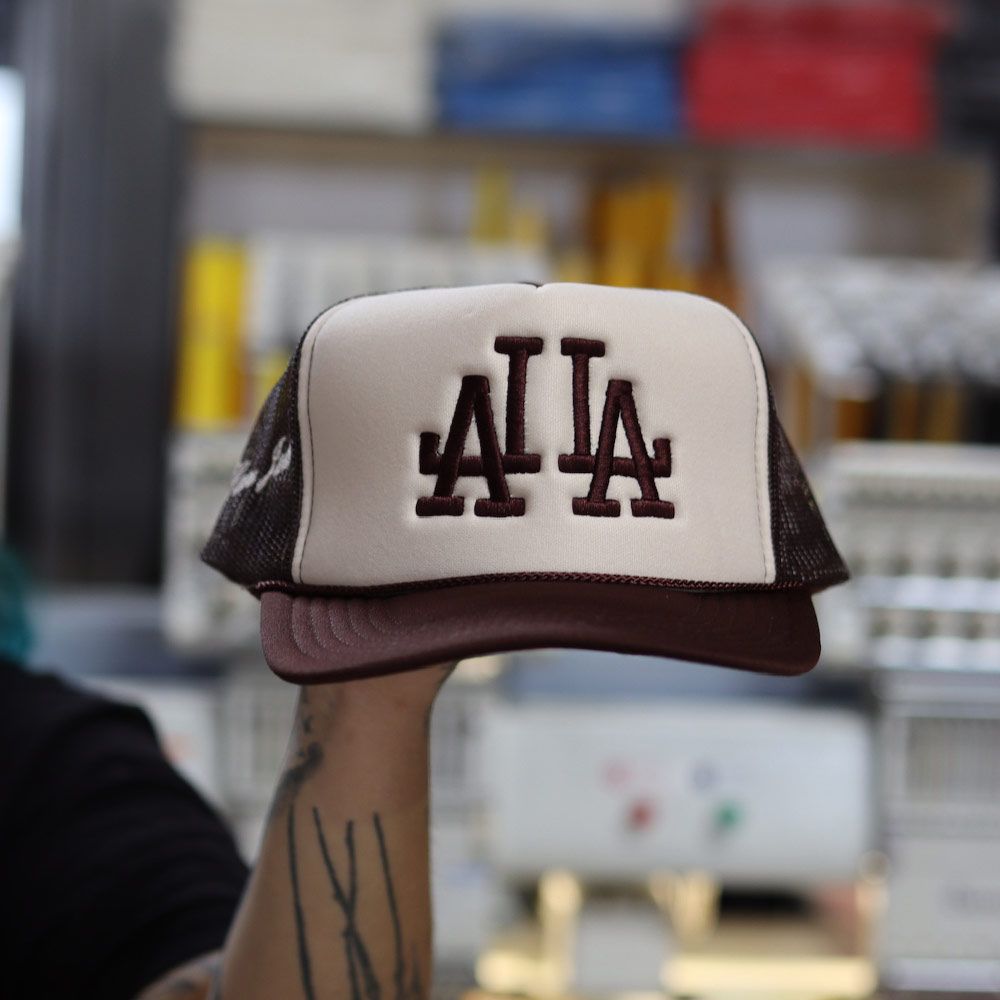
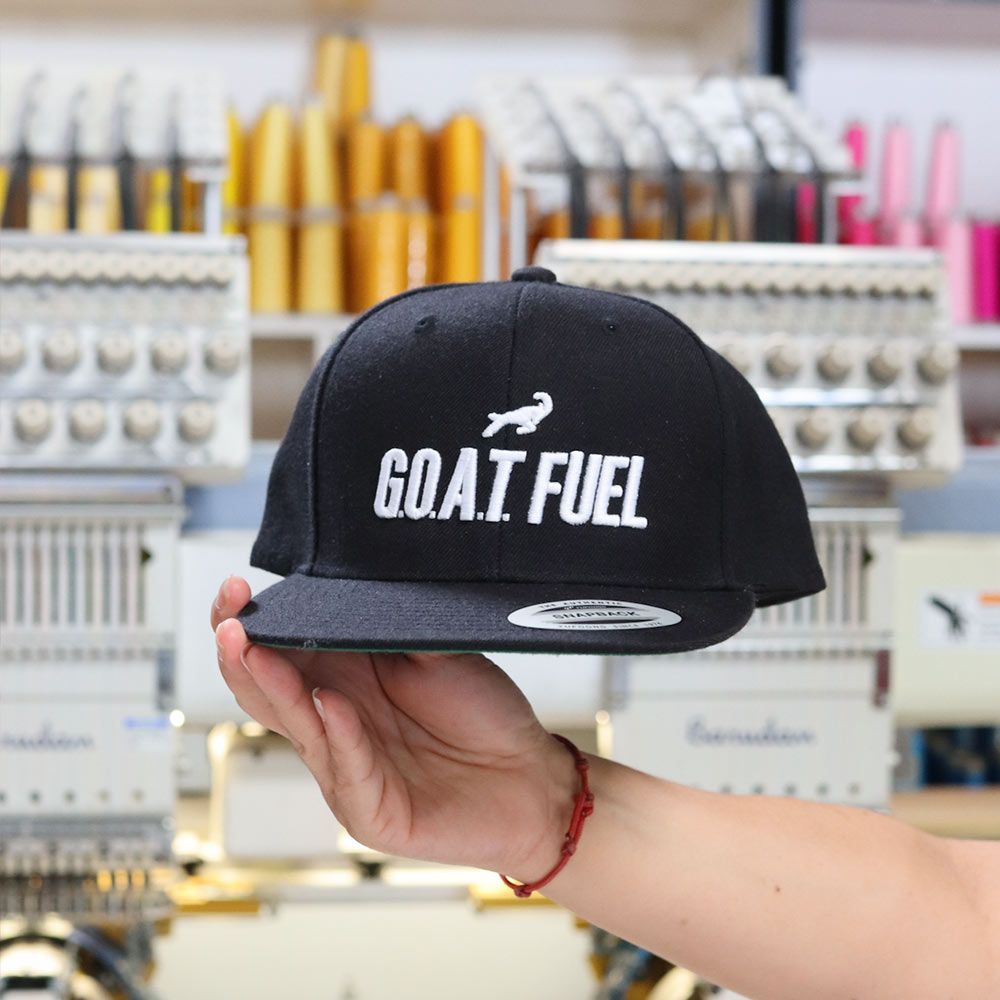
Not all decoration methods cost the same, and the right one depends on your design and quantity. Standard plastisol screen printing is generally the most cost-effective option for bold logos and text, especially at higher volumes. Embroidery costs more per piece but lasts longer and gives a more premium, textured finish — better suited to polos, caps, and corporate apparel than large full-color graphics. Digital squeegee printing sits in between: no screens required, so it's efficient for smaller runs or colorful designs, but it doesn't get cheaper at scale the way screen printing does. Picking the method that fits your design and quantity, rather than defaulting to whichever one you've heard of, is one of the easiest ways to avoid overpaying.
Number of Colors and Placements
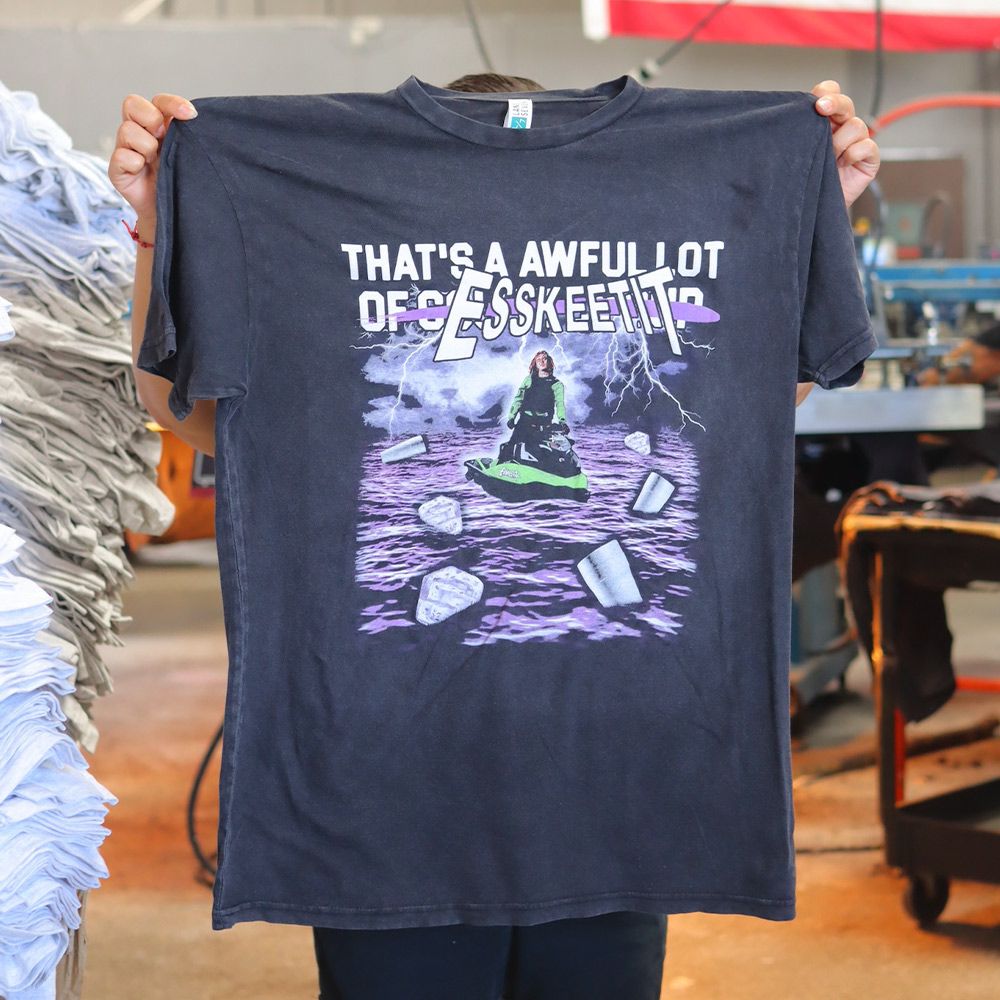
This is the one that surprises people most. In screen printing, every color in your design needs its own screen, and every additional placement — front, back, sleeve — adds setup time and cost. A one-color front logo is inexpensive to set up. A five-color front-and-back design with a sleeve hit is a different project entirely, even on the exact same shirt and at the exact same quantity.
If cost is tight, look at whether your design can be simplified. A logo with a lot of small color variations can often be reduced to two or three colors without losing its impact — and using the garment's own color as part of the design (say, a white logo on a black shirt) means one less screen you need to pay for. If you want a full-color, photorealistic look without paying for six or seven individual screens, ask about simulated process printing, which uses halftones to blend a handful of spot colors into the appearance of many.
Order Quantity
Screen printing has a real economy of scale built into it. There's an upfront cost to create the screens for your design, but once that setup is done, the cost of printing each additional piece drops fast. That's why pricing is almost always tiered: the more you order, the lower your cost per piece.
As a general benchmark, a 50-piece minimum order sits at the top of the pricing curve, with meaningful price breaks kicking in around 75, 100, 150, 250, 500, and 1,000 pieces. If your quote is landing right below one of those breakpoints, it's worth asking whether bumping your order up slightly actually lowers your total cost — sometimes ordering more ends up costing less overall.
Putting It Together
Here's the practical version: garment choice sets your baseline cost, print method should match your design and volume, color count and placement are the biggest levers you actually control, and quantity is where the real savings happen if you can plan ahead. If you're working with a fixed budget, simplify the design first and let the garment and quantity flex around it, rather than the other way around.
What to Expect When You Request a Quote
A legitimate screen printing shop should be able to walk you through exactly which of these factors is driving your price — garment, print method, colors and placements, and quantity — rather than handing you a single number with no explanation.
At Garment Decor, pricing is custom quoted per project based on those same factors, with tiered discounts at the breakpoints above and a 50-piece minimum. We're also committed to fair pricing: if you land a lower quote elsewhere for a comparable project, bring it to your sales rep before finalizing your order and we'll do what we can to match it.
If you want a real number instead of a rough estimate, our screen printing team can walk you through our screen printing pricing based on your actual design, garment, and quantity — usually within a couple of hours.