Top 5 Screen Printing Techniques To Make Custom T-Shirts
Custom t-shirts have come a long way. What started as a simple way to slap a logo on a shirt has turned into one of the most expressive tools for brands, artists, and anyone who wants their clothes to actually say something. And at the center of it all? Screen printing.
It's been around for decades, but the reason it hasn't gone anywhere is simple, it works. The colors hold up, the results look professional, and the process has evolved into something far more versatile than most people realize. Whether you're running a print-on-demand store or ordering 500 uniforms for your team, the technique you choose can make or break how the final product looks and feels.
Here are the five screen printing techniques worth knowing about.
1. Screen Printing – The One That Started It All
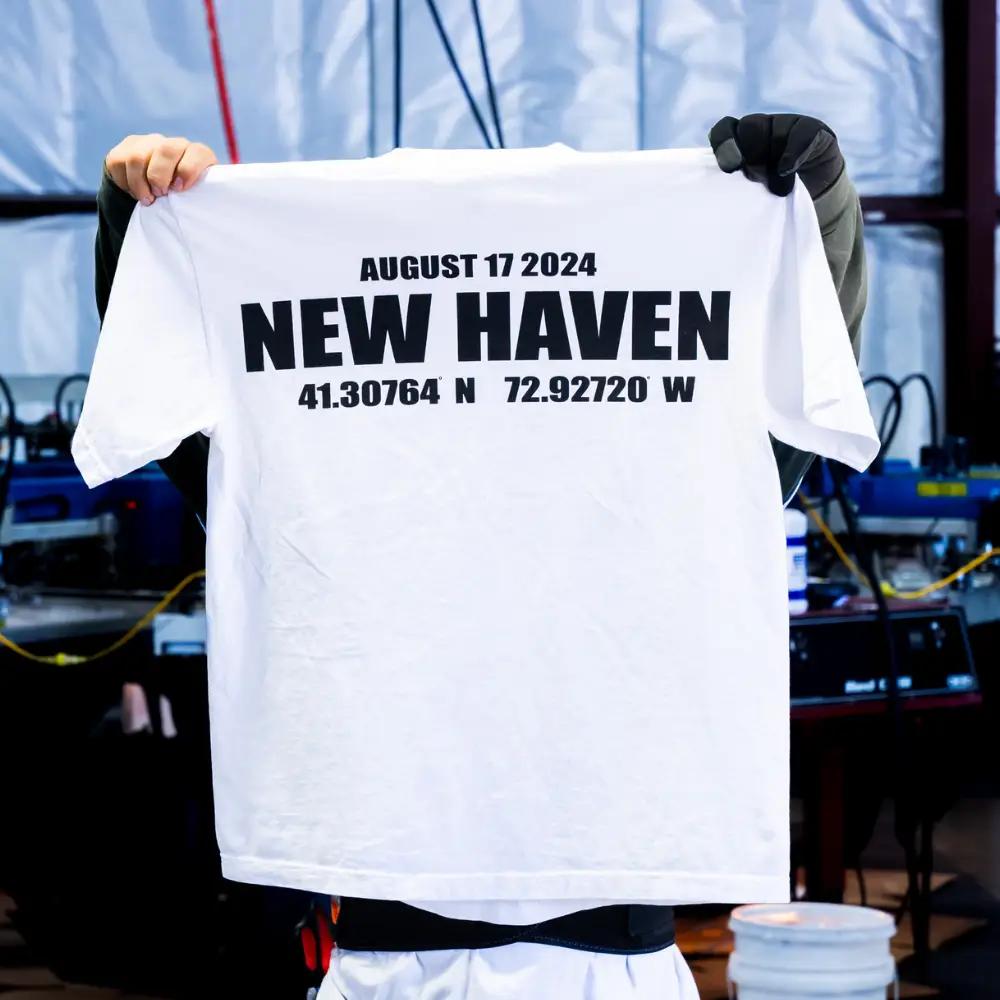
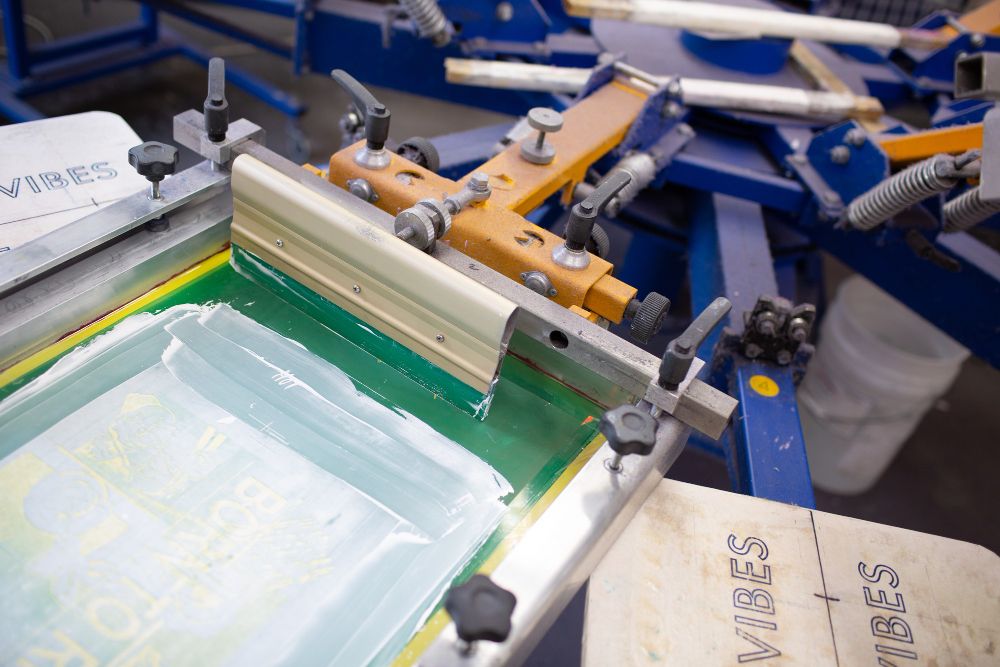
There's a reason screen printing is still the industry standard. The process is straightforward: ink is pushed through a mesh screen and onto the fabric, one color at a time. What you get is a print that's bold, clean, and built to last through wash after wash.
It's the technique brands keep coming back to for bulk orders, uniforms, event merch, branded giveaways, because the results are consistent and the cost per unit drops significantly when you're printing at scale. If you need 100 shirts that all look identical, this is your method.
The colors stay true. The edges stay sharp. And years down the line, the design is still there.
2. Jumbo Printing – When the Design Needs Room to Breathe
Some designs just don't work small. Jumbo screen printing takes your artwork and stretches it across a much larger print area, think chest-to-hem coverage, or a graphic that wraps around the side of the shirt.
It's popular with streetwear brands and anyone going for that oversized, statement-piece look. When you want someone across the room to see your design before they see your face, jumbo printing is what gets you there.
It also works surprisingly well for minimalist designs, a single bold word or a clean logo that takes up the full chest has a presence that smaller prints simply can't match.
3. Simulated Process Printing – For When Your Design Has Layers
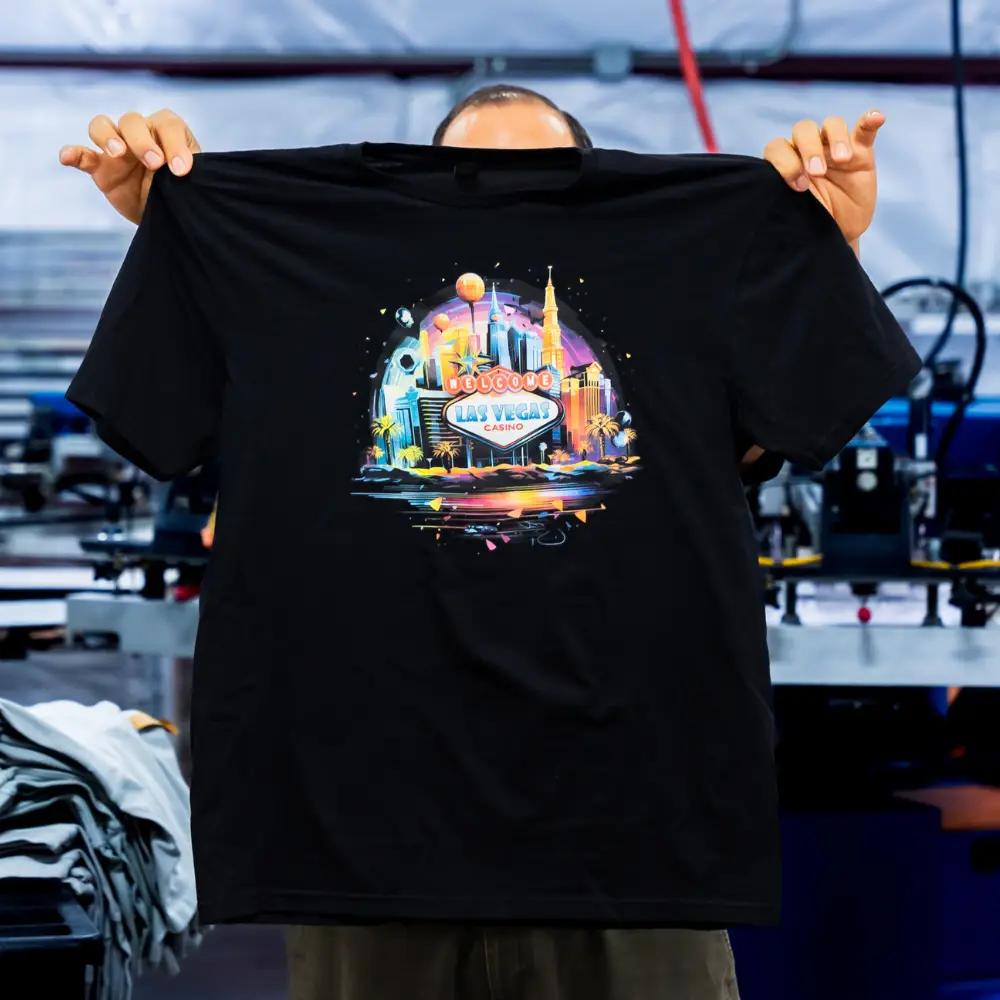
If your artwork has gradients, shadows, photographic elements, or more color complexity than a standard screen can handle, simulated process printing is the answer.
Instead of using a separate screen for each color, this technique uses halftone dots in CMYK combinations to recreate the full range of tones in your design. The result looks photo-realistic, even on dark garments, which is notoriously hard to pull off well.
Artists especially love this method because it doesn't flatten their work. Every shadow, every subtle shift in tone, every detail that makes a design feel alive, it all translates onto the shirt. It's the closest thing to printing a fine art piece on fabric.
4. Digital Screen Printing – Detail Without the Compromise
Traditional screen printing has one real limitation: the more colors in your design, the more complex (and expensive) the setup becomes. Digital screen printing sidesteps that problem.
By combining digital printing technology with screen-printed ink, this method handles complex artwork, gradients, photo-realistic imagery, fine linework, without the same color-count restrictions. The result is high-definition clarity on a garment, not a blurry approximation of what your file looked like.
It's a strong choice for smaller runs where you still want the quality to look premium. Launching a limited-edition collection or testing a new design before going into full production? Digital screen printing gives you that flexibility without forcing you to compromise on how the final product looks.
5. Puff Printing – Texture That You Can Actually Feel
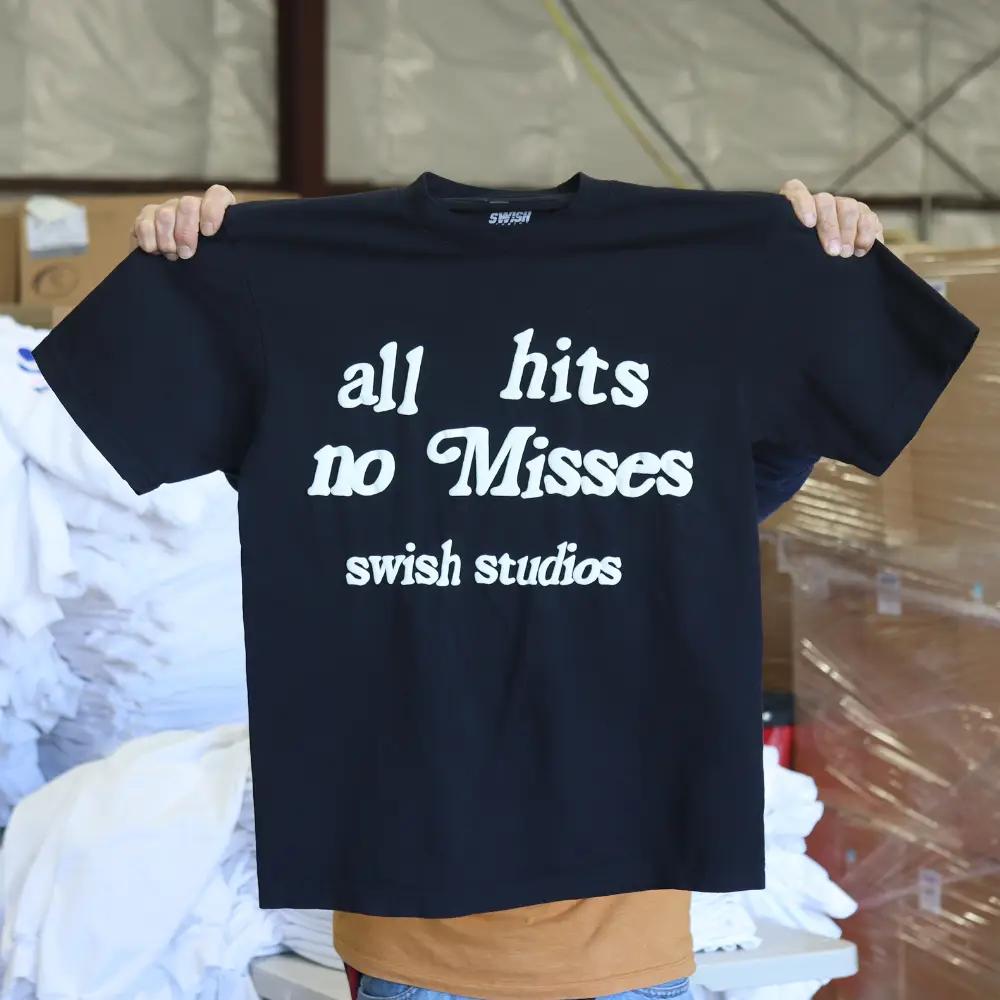
Puff printing does something the other techniques don't: it adds physical dimension to the design.
The ink used in puff printing contains a heat-reactive additive. During the curing process, it expands, creating a raised, slightly soft texture that lifts off the surface of the fabric. Run your hand over it and you can feel the print, not just see it.
It's a subtle effect, but it makes a big difference. Logos feel more premium. Text has weight to it. Designs that might get lost on a plain tee suddenly have a tactile quality that draws people in. A lot of brands use puff printing to elevate relatively simple artwork, it's an easy way to make something feel more considered and high-end without redesigning from scratch.
Bring Your Design to Life with Garment Decor
If you're ready to move from concept to finished product, Garment Decor offers wholesale screen printing built for brands that need consistent quality at scale. Factory-direct access means you're working without the middleman markup, just straightforward pricing, multiple print techniques, and premium blank garments to work with.
Turnaround times are built with real deadlines in mind, and the process stays simple from start to finish. Whether you're planning ahead or cutting it close, the goal is the same: your merch looks exactly how you envisioned it, and it shows up when you need it.
✨ Need your order fast? Try our Rush Order service to get your custom t-shirts ready in no time.